Images | gov.kz
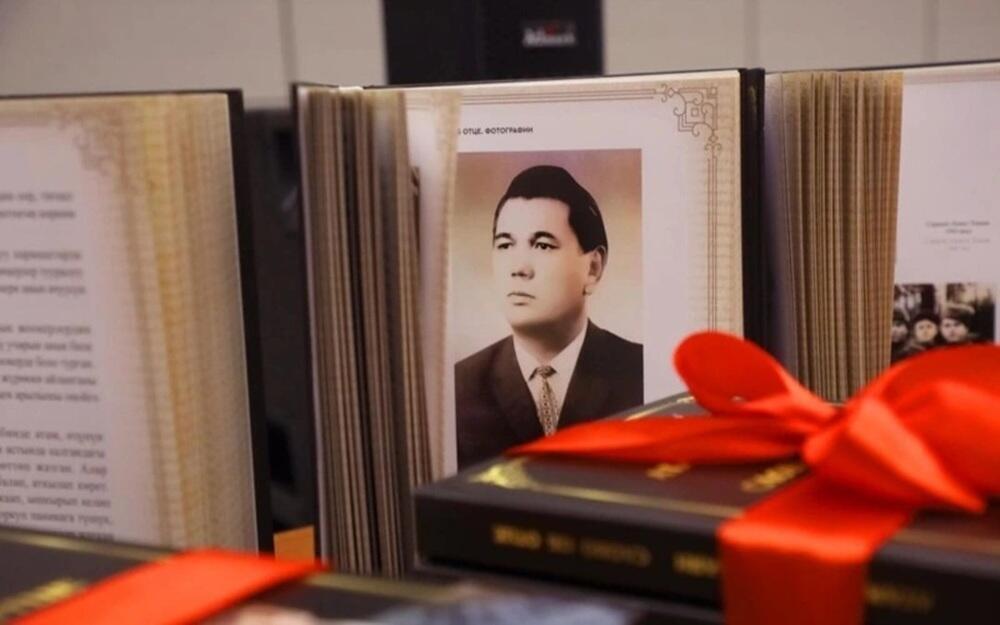
The rector of Kyrgyzstan's Osh State University, Doctor of Sciences and Professor Kudaiberdy Kozhobekov, has highly praised President Kassym-Jomart Tokayev's book A Word About My Father, which has been published in the Kyrgyz language. The announcement was made by Kazakhstan's Consul General in Osh, Mukhtar Karibay.
In his article titled Life Is an Era, Kozhobekov reflects on the shared historical destiny of the brotherly Kazakh and Kyrgyz peoples from ancient times to the present day. He emphasizes the importance of deeper study by younger generations of the history, culture, language and literature of the two nations.
The scholar particularly highlights the significance of President Tokayev's book Atam Jönündö Bayan (A Word About My Father) in further strengthening cultural and humanitarian ties and preserving the shared historical heritage of the two brotherly peoples. According to Kozhobekov, the events of the recent past described in the book, the tragic story of a family closely connected with Kyrgyzstan, and the life journey of renowned writer and public figure Kemel Tokayev leave a profound impression on readers.
Particular interest, he notes, lies in the chapters devoted to Kemel Tokayev's childhood and youth in Frunze, his studies at a boarding school, his deployment to the front during the war, and the difficult fate of a young man who became the sole surviving member of his family. In the author's view, Kemel Tokayev's military and professional path, as well as his development as both a writer and a public figure, reflect the experience of an entire generation.
Kozhobekov stresses that the book presents a truthful portrayal of an entire era through the life story of one individual - the author's own father.
The rector also notes that the publication plays an important role in fostering patriotism, national identity and respect for the shared historical and cultural heritage of the brotherly Kazakh and Kyrgyz peoples among the younger generations of both countries.

